


Open call 2026: i vincitori / the winners


Si è conclusa con 720 candidature questa nuova edizione dell’Open Call di Fotografia Europea. Il tema di quest’anno, Fantasmi del quotidiano, è un invito a cercare le cose non viste e quelle invisibili, a prestare attenzione ai sussurri di ciò che è stato e di ciò che potrebbe essere, rivelando le storie silenziose che danno forma e guidano il nostro presente mentre aprono nuovi percorsi per l’immaginazione.
We received 720 applications for this new edition of the Fotografia Europea Open Call. This year’s theme, Ghost of the moment, is an invitation to seek out the unseen and the invisible, pay attention to the whispers of what has been and what could be, revealing the silent stories that inform and guide our present while simultaneously opening up new paths for the imagination.
La direzione artistica ha selezionato due progetti:
The artistic direction has selected two projects:
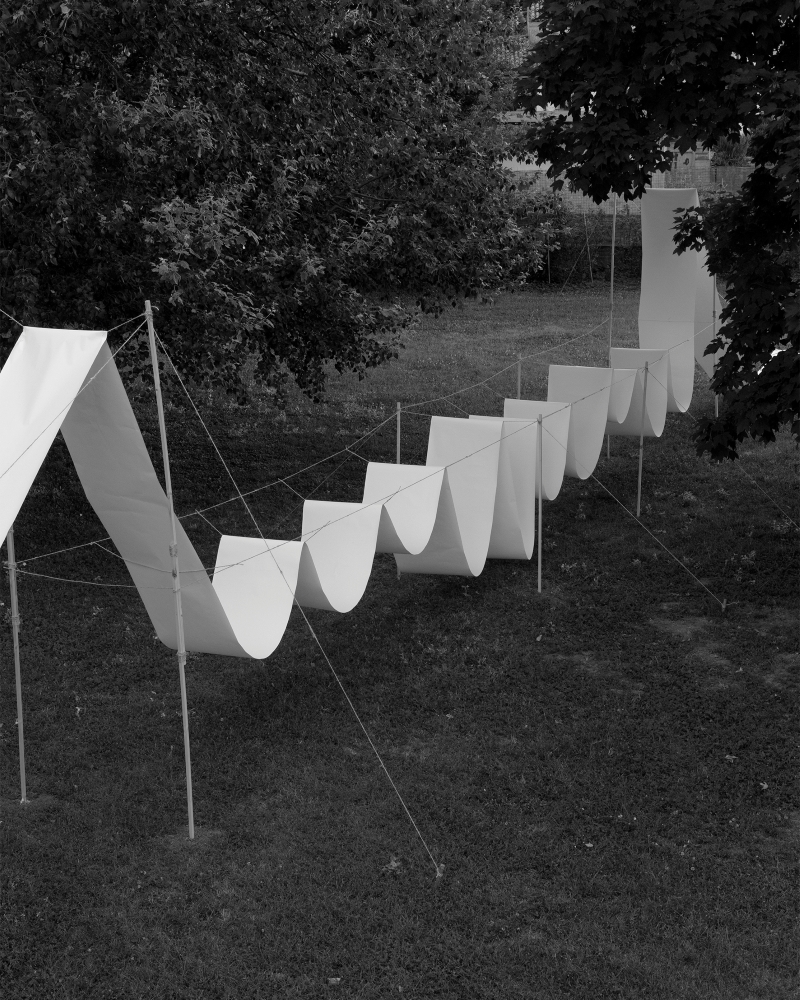
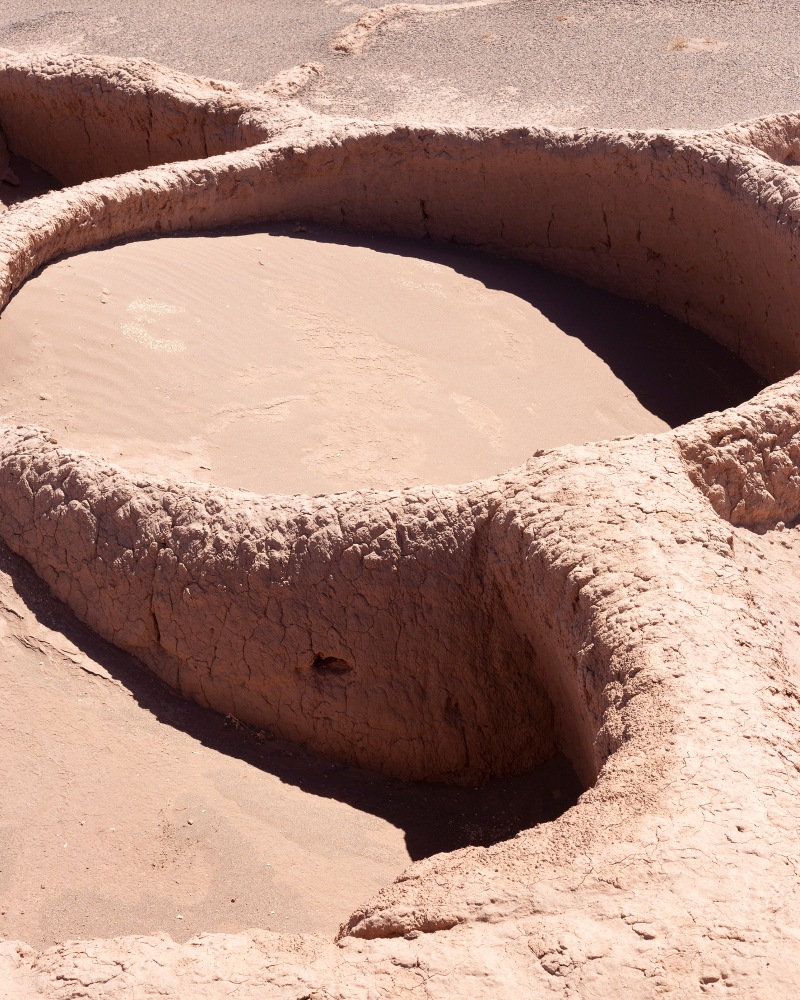
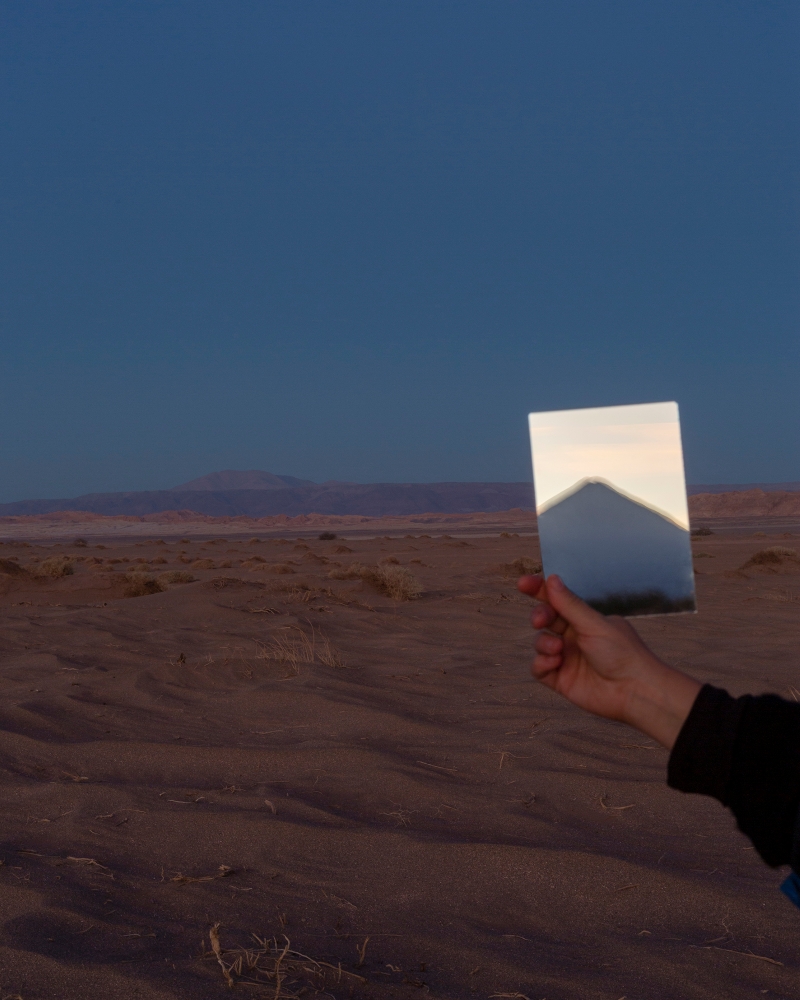
• L’albergo della lontananza di Federica Mambrini (Italia, 1994) indaga la possibilità di costruire ponti ideali tra luoghi geograficamente opposti, come l’Italia e il Cile. Il suo lavoro nasce da una riflessione sulla relazione a distanza e analizza lo spazio che divide due persone attraverso situazioni architettoniche e simboliche, utilizzando dispositivi come il flipbook e riproduzioni di elementi naturali per esplorare come la distanza influenzi la nostra percezione e i nostri legami.
• L’albergo della lontananza by Federica Mambrini (Italy, 1994) explores the possibility of building ideal bridges between geographically opposite places, such as Italy and Chile. Her work stems from a reflection on long-distance relationships and analyses the space that divides two people through architectural and symbolic situations, using devices such as flipbooks and reproductions of natural elements to explore how distance influences our perception and our bonds.
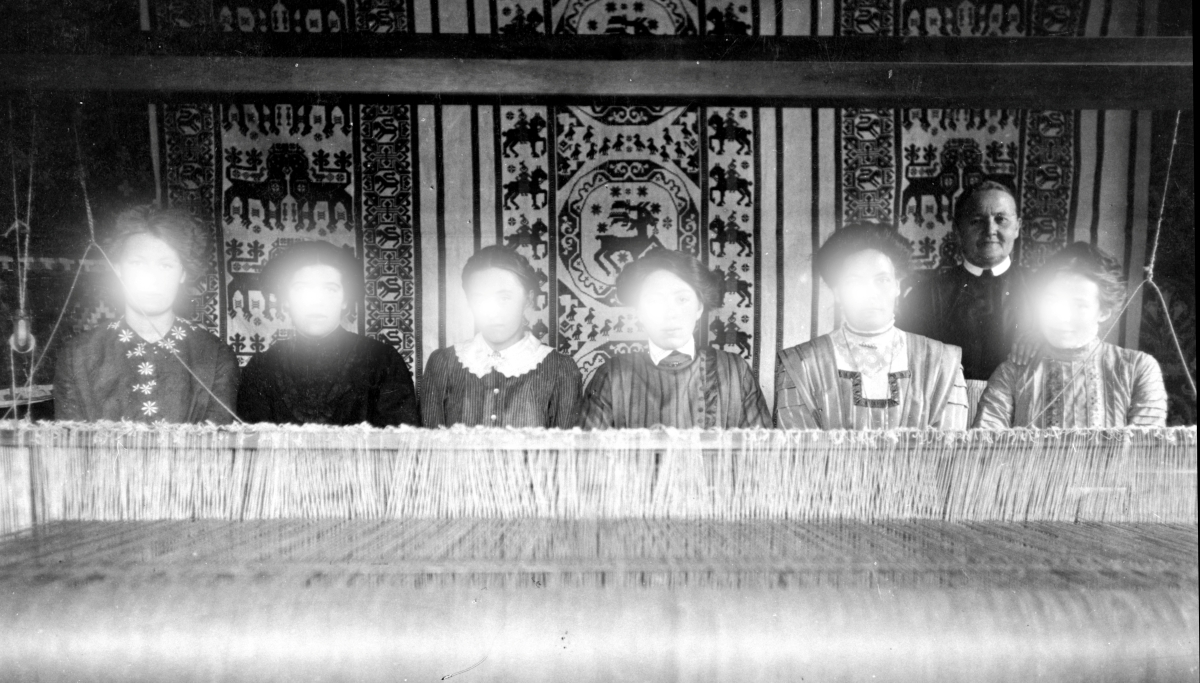
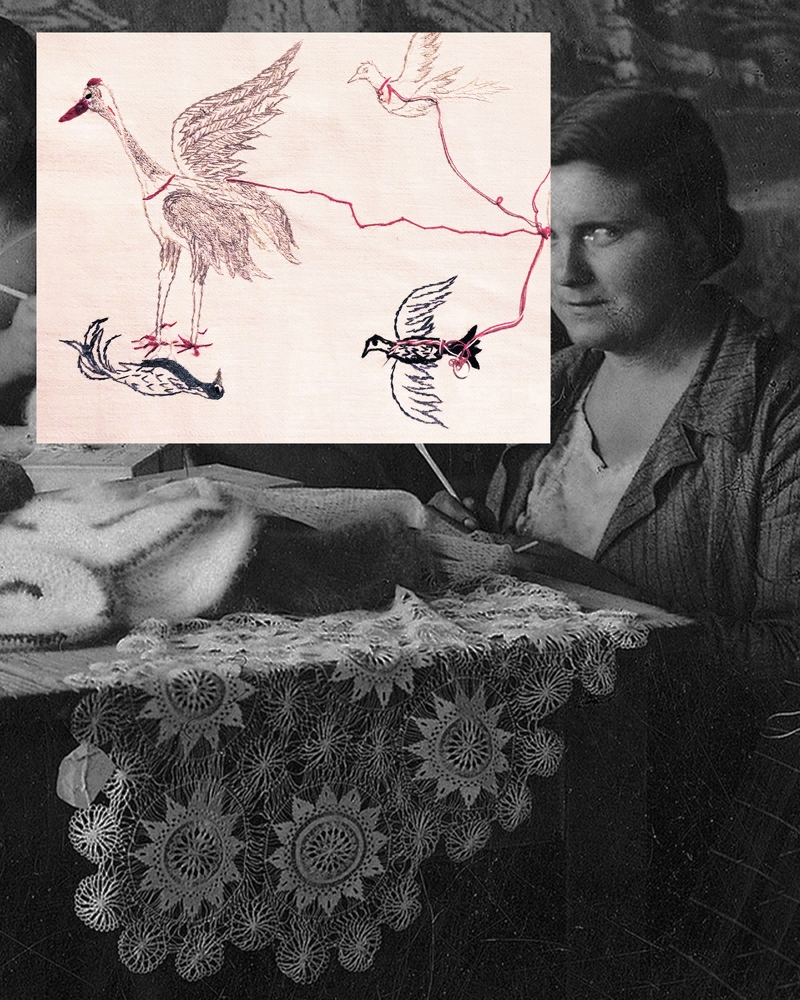
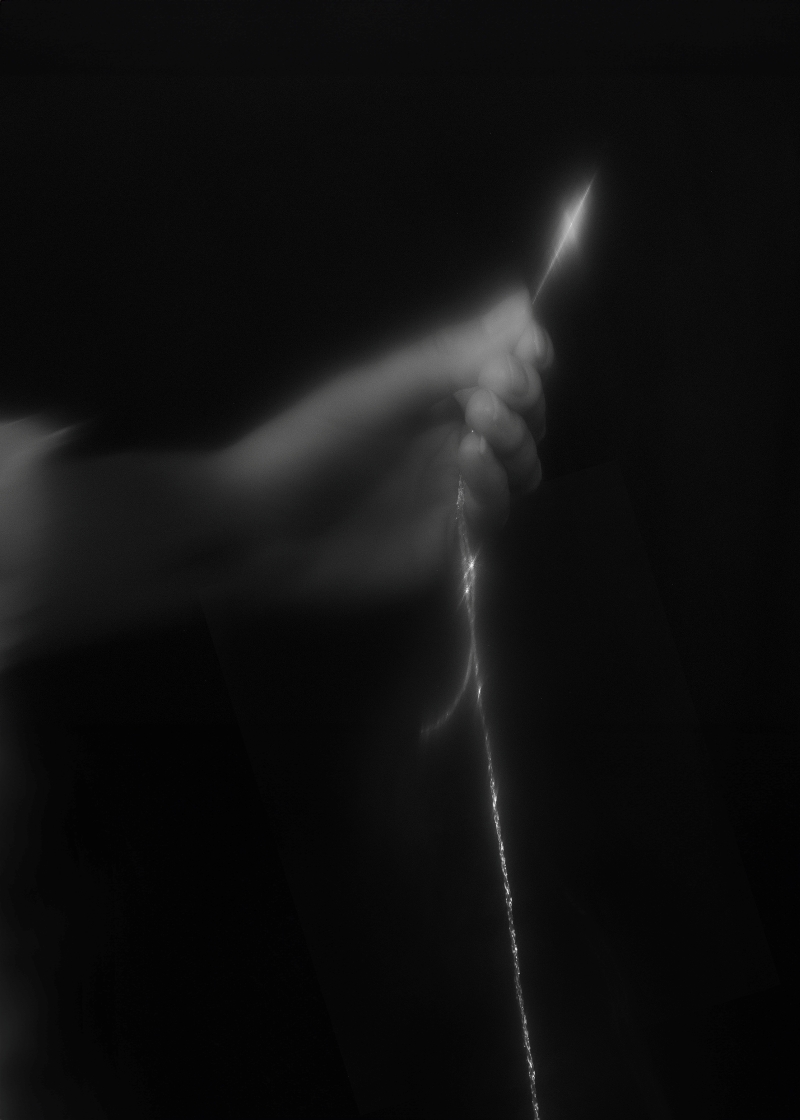
• The serpent’s thread di Emilia Martin (Polonia, 1991) esplora il potere della narrazione ancestrale sfidando i confini tra verità e finzione attraverso l’uso di fotografia, scrittura e processi tessili. Ispirandosi alla memoria di sua nonna e alla storia mitizzata delle sorelle Andersson nella Svezia di inizio ‘900, Martin intreccia immagini d’archivio e composizioni messe in scena per ricostruire le voci di donne
e ribelli spesso dimenticate dalla storia ufficiale.
• The serpent’s thread by Emilia Martin (Poland, 1991) explores the power of ancestral storytelling, challenging the boundaries between truth and fiction through the use of photography, writing and textile processes. Drawing inspiration from the memory of her grandmother and the mythologised tale of the Andersson sisters in early 20th-century Sweden, Martin combines archival images with staged compositions to breathe life into the stories of women and rebels who were overlooked by official history.
La Open Call internazionale di Fotografia Europea è realizzata grazie al supporto di Iren, special sponsor del festival, che sposa questo progetto e sostiene la ricerca di nuovi talenti e di differenti sguardi sulla realtà contemporanea.
Potete scoprire tutte le mostre di questa edizione di Fotografia Europea a Reggio Emilia dal 30 aprile al 14 giugno 2025, vi aspettiamo!
The International Open Call of Fotografia Europea is realized thanks to the support of Iren, special sponsor of the festival, who embraces this project and supports the search for new talents and different views on contemporary reality.
You can discover all the exhibitions of this edition of Fotografia Europea in Reggio Emilia from 30 April to 14 June 2025, we are waiting for you!
Ti è piaciuto questo articolo? Iscriviti alla nostra newsletter per rimanere aggiornato sui post, le ultime novità e le anticipazioni del festival! Iscriviti
Open call 2026: i vincitori / the winners
Sono due i progetti selezionati per FE 2026! ita/eng...
Giovane Fotografia Italiana #13 | Premio Luigi Ghirri
L’open call dedicata allɜ fotografɜ italianɜ under 35. Deadline 9...
CATALOGO FE 2025
Nel bookshop ai Chiostri di San Pietro troverete il catalogo di questa...
Circuito OFF 2025: i progetti vincitori
Guido Borso vince il premio Max Spreafico! Scopri anche le due menzion...
Letture Portfolio 2025: le vincitrici
Vincono i progetti di Amina Stella Steiner e Federica Torrenti. ITA/EN...
Notte OFF 2025
Sabato 3 maggio la serata dedicata alle mostre e agli eventi del Circu...
Variazioni al programma
A causa del lutto nazionale il programma delle giornate inaugurali sub...
Commenti chiusi.