Ghostland
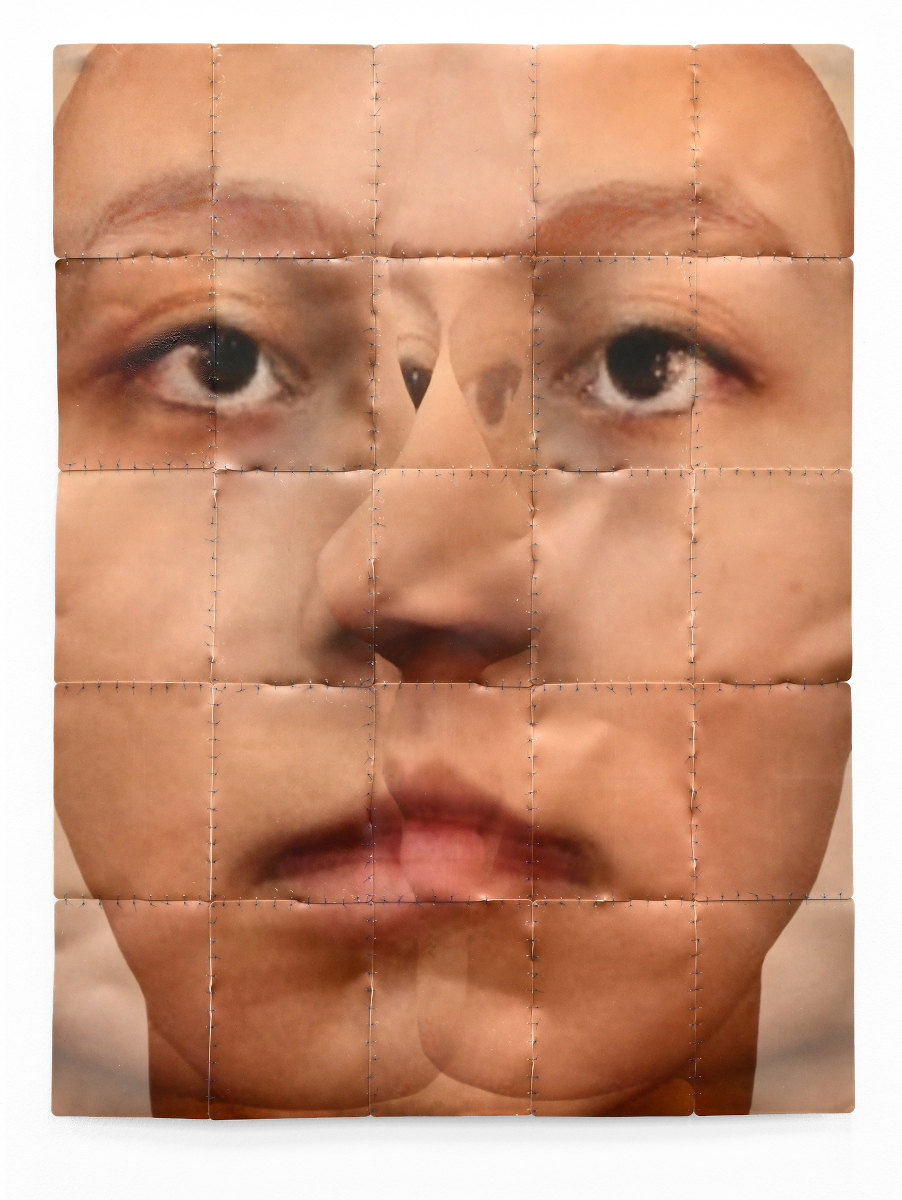
ZOÉ AUBRY, DÉCOUVREZ VOTRE NOUVELLE APPARENXE EN 3D, LEBANON – SWITZERLAND, 2023 COURTESY OF THE ARTIST
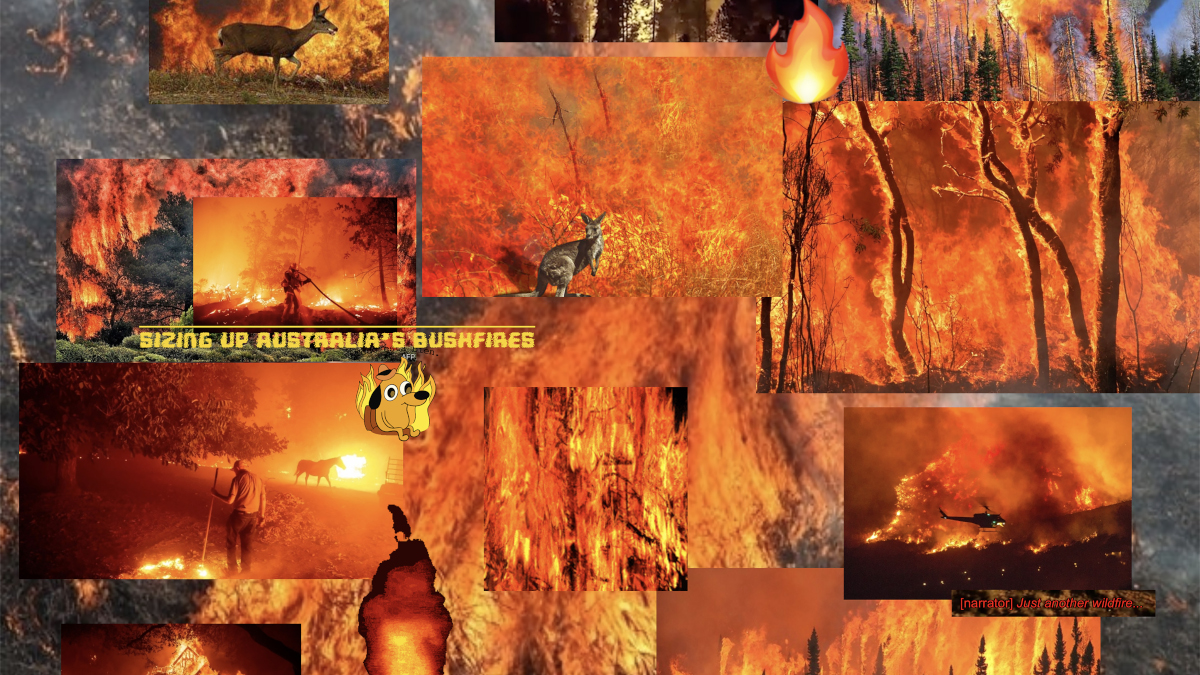
Sara Bezovšek, Slovenia, 2021, film still, courtesy of the artist
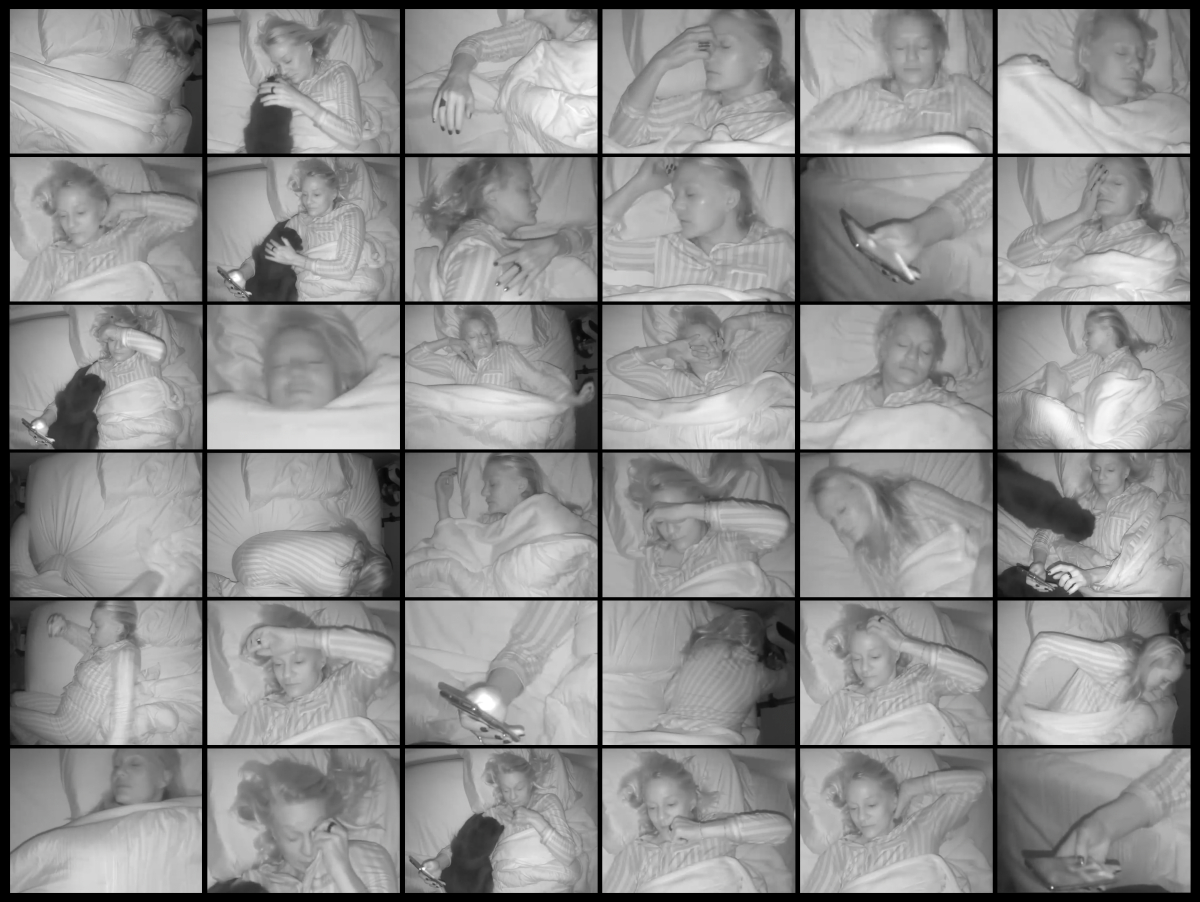
Carolyn Drake, Diana Surveillance, Vallejo, 2020, copyright Carolyn Drake
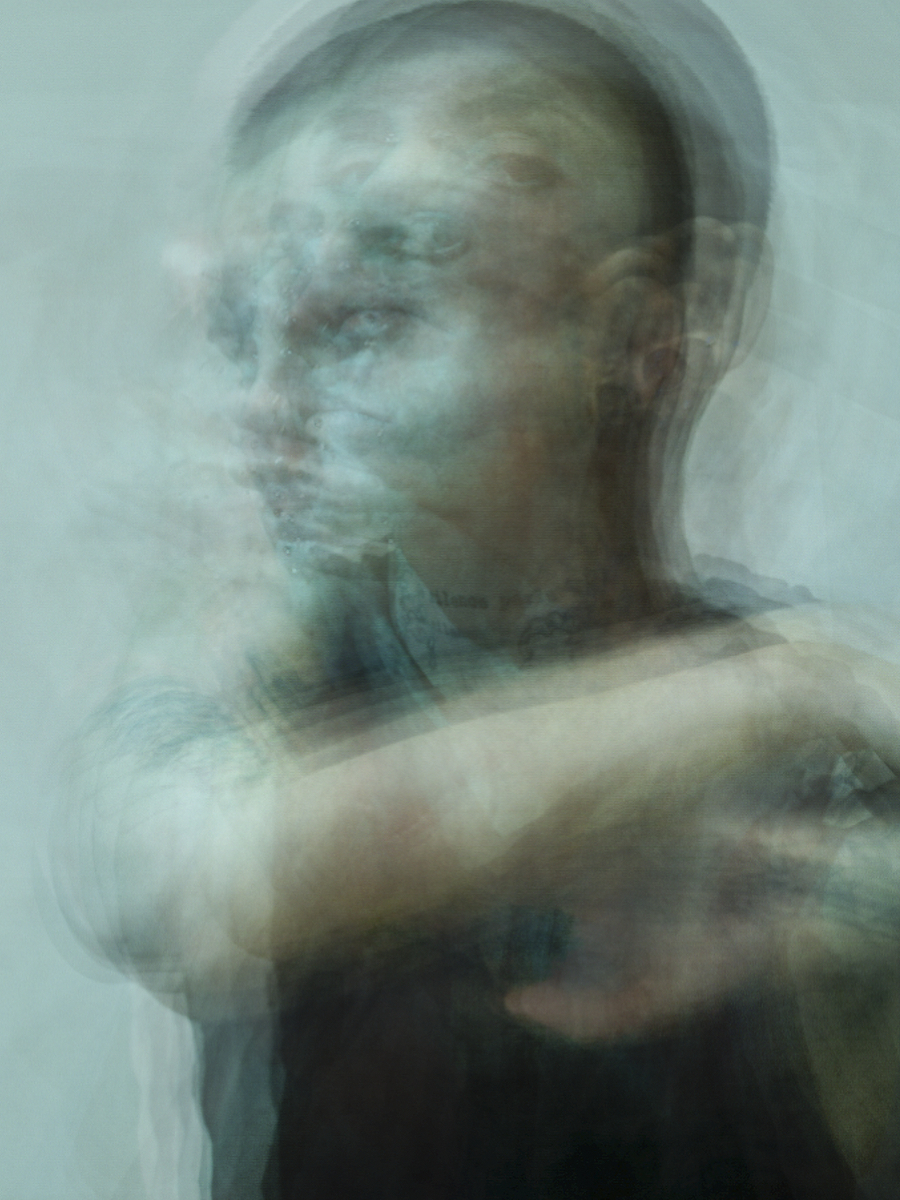
ANIMA_01, Brussels, 2024, Courtesy dell’artista e Red Lab Gallery, credit dell’artista
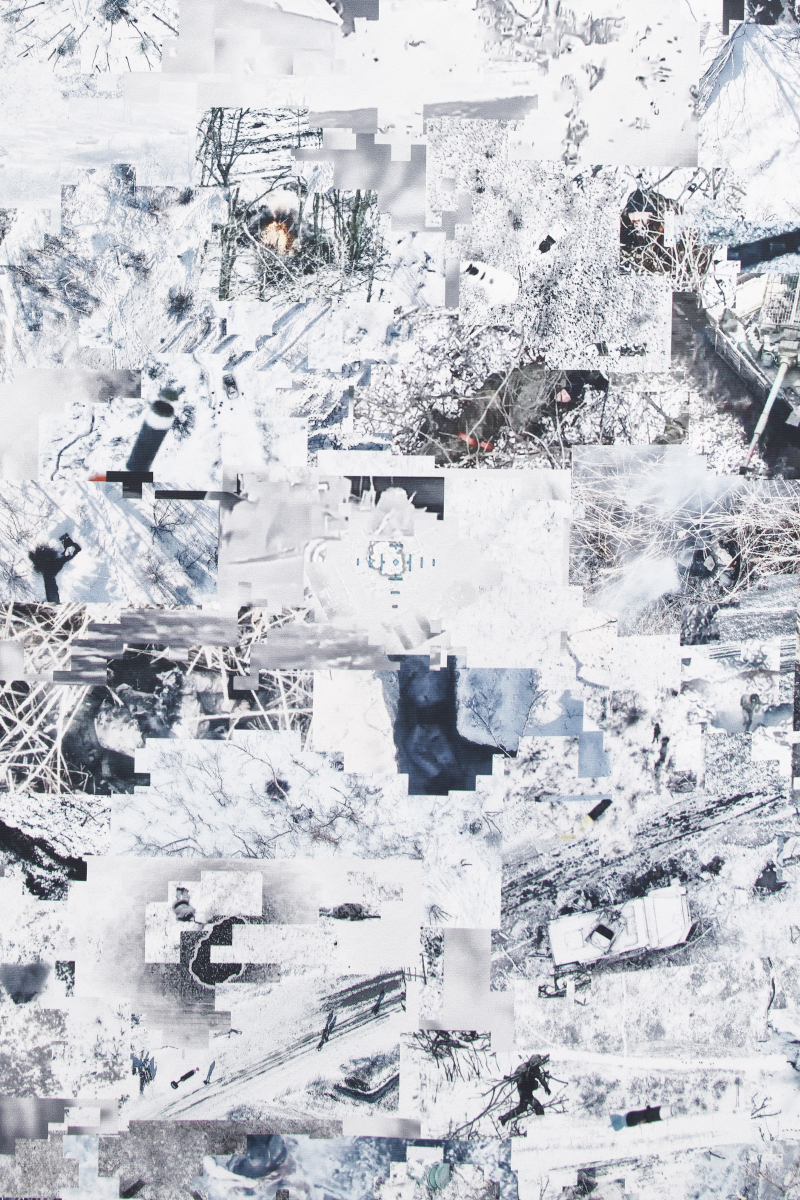
2025, Untitledcamouflage ©ECAL Visvaldas Morkevicius
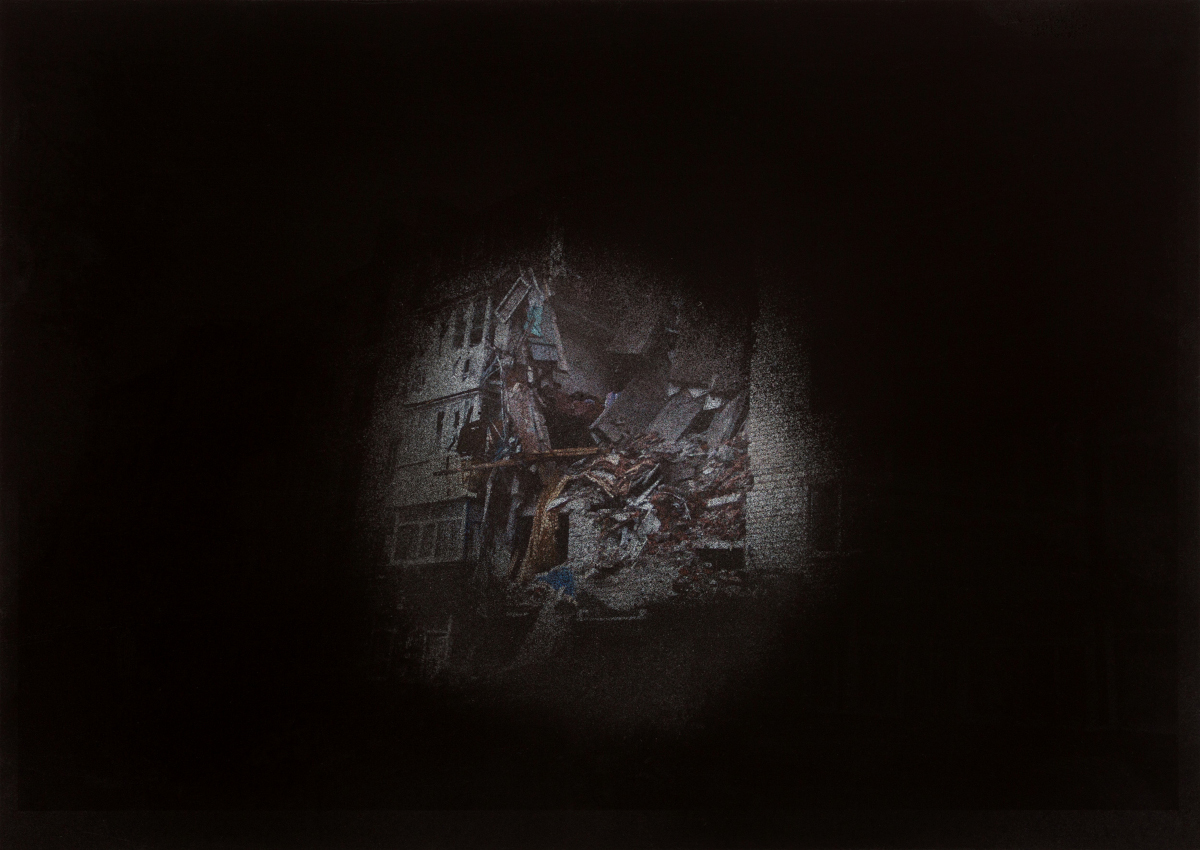
Blind Spot, Mykola Ridnyi, Ucraina, 2014, 42x59,4 cm, Nitrocellulose paint on c-print, Credit Mykola Ridnyi
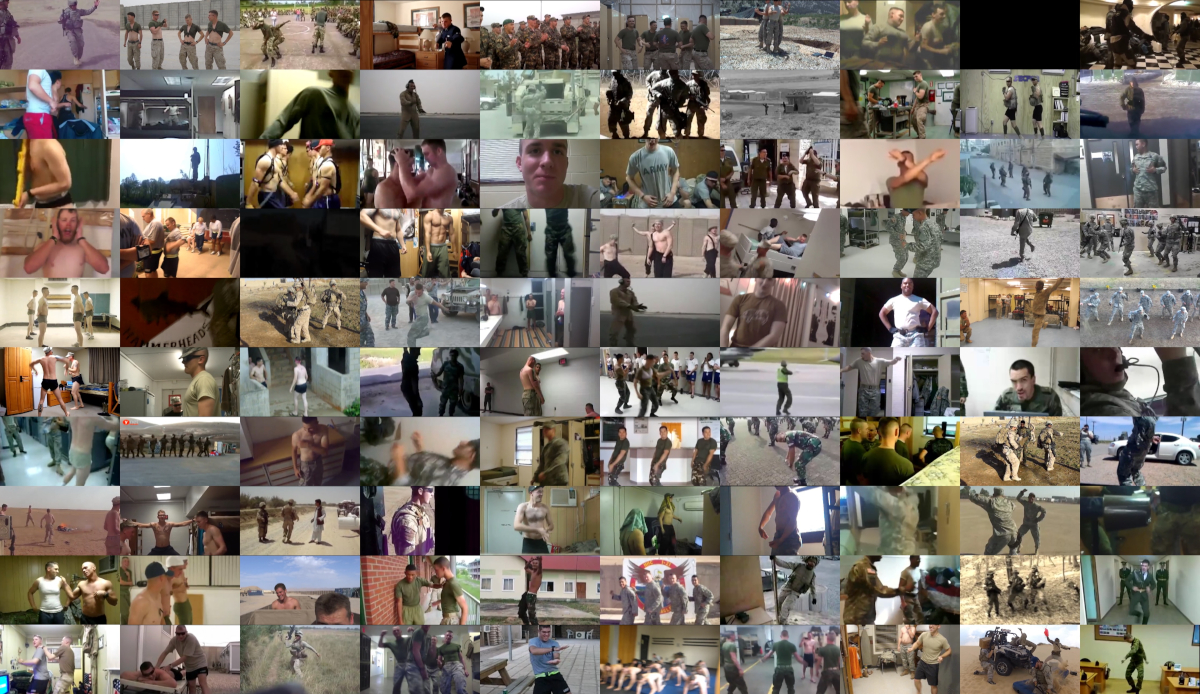
Indrė Šerpytytė, This is how we win wars (still), 2018-ongoing, Credit Indrė Šerpytytė
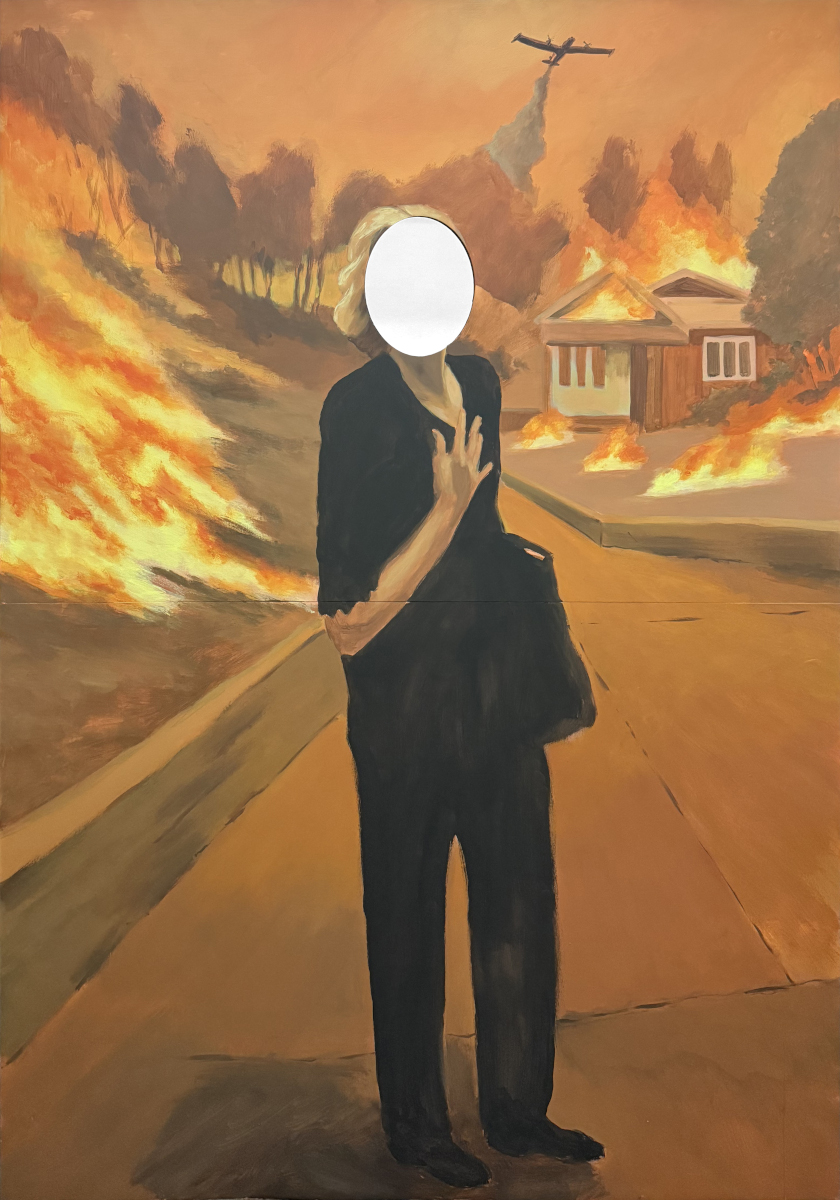
Vaste Programma, Senza Titolo, 2025, 200x140x70 cm, Courtesy Vaste Programme
Ghostland
In our hyper-mediated age, reality increasingly seems to be a “spectral” place; a landscape in which experiences, bodies and events are filtered, translated and recoded through luminous surfaces, screens. Ghostland explores this intermediate space in which we live – a space in which the screen is no longer just a technical device, but a real cultural environment, capable of shaping our perceptions and behaviours, designing collective imaginations.
The visual technologies that inhabit our daily lives – surveillance systems, social interfaces, digital archives, artificial intelligence, flows of information from conflict zones – create a complex emotional geography, made up of apparent proximities and profound distances. Here, the face becomes a mirror, the body a manipulable surface, memory an archive constantly being rewritten, functional to imagining a dystopian future. War, disasters, the alteration of the self and a widespread sense of vulnerability require mediation with the aim of relieving pain and multiplying spectacle in the face of a world that is sometimes impossible to understand and hard to decode.
Thus, in this oversaturated visual landscape, the image acts both as a mirror and a barrier; it reflects desires, fears and aspirations, but also exposes us to forms of control and a progressive anaesthetisation of the gaze.
The screen becomes an ambiguous place where reality breaks down, recomposes and reinvents itself, producing hybrid identities, altered memories and narratives that oscillate between reality and fiction.
Ghostland offers a reflection on how we observe others and ourselves, how algorithms monitor us, how we construct a sense of danger and trust in a future yet to be built.
Through experimental artistic practices, the group exhibition invites us to become aware of this uninterrupted immersion in images and to make it visible. This is not about a dystopian future, but about our present in which we are not simply spectators, but an active part of this new reality.
Finally, an invitation to reflect not only on what we see – and produce – but above all on what remains outside the field: the blind spots, the omissions, the spaces where reality continues to escape and which appears only through the frame of the screen.
The projects by Indrė Šerpytytė and Visvaldas Morkevičius are part of the Cultura Lituana in Italia 2025–2026 programme, created by the Institute for Lithuanian Culture and the Embassy of the Republic of Lithuania to the Italian Republic.
exhibition venue
Palazzo Da Mosto
via Mari, 7
Reggio Emilia

opening hours
30th April – 14th June
opening days
30th April › 19-23
1st May › 10-23
2nd May › 10-23
3rd May › 10-20
Friday – sabato – domenica › 10-20