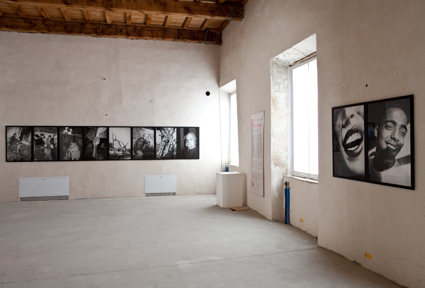
Anders Petersen è nato nel 1944 a Stoccolma, in Svezia. Studia fotografia con Christer Stromholm presso la scuola di fotografia di Stoccolma. Strömholm, da maestro, diventa un grande amico di Petersen, accompagnandolo nel tragitto personale e fotografico. Nel 1967 inizia a fotografare i frequentatori di un bar di Amburgo chiamato Café Lehmitz , passando le notti tra prostitute, travestiti, ubriachi, amanti e tossicodipendenti. Il progetto dura tre anni e dà vita ad un libro omonimo pubblicato otto anni dopo, nel 1978, da Schirmer / Mosel in Germania, comparso in Francia nel 1979 e in Svezia nel 1982, che viene considerato fondamentale nella storia della fotografia europea. Anders redige un ritratto commovente di una umanità alla deriva, rivelandone attraverso intensi ritratti, non solo le situazioni di emarginazione, quanto piuttosto i sentimenti sommersi. Anni dopo, una fotografia di Cafè Lehmitz verrà usata da Tom Waits per la cover del suo album Rain Dogs. Negli anni ’70 Petersen insegna prima presso la scuola di Christer Stromholm e poi diventa direttore della Scuola di Fotografia e di cinema di Göteborg.
A metà degli anni ’80 Petersen prosegue la sua indagine visuale nelle carceri, nei manicomi e nelle case per anziani. Per un lungo periodo, vive in una prigione di massima sicurezza per creare le immagini del libro Fangelse (1984). Anders Petersen ha pubblicato più di 25 libri e vinto numerosi premi, fra cui Photographer of the Year al Photofestival di Arles (2003, Francia), il premio speciale della giuria per la mostra Exaltation of Humanity al festival di Lianzhou (2007, Cina), la menzione al Deutsche Börse Photography Prize (2007), oltre ai riconoscimenti ai suoi libri, fra cui From Back Home (con JH Engstrom, miglior libro del 2009 al Rencontres d’Arles Book Award) e City Diary (miglior libro del 2012 al Paris Photo Photobook Awards).
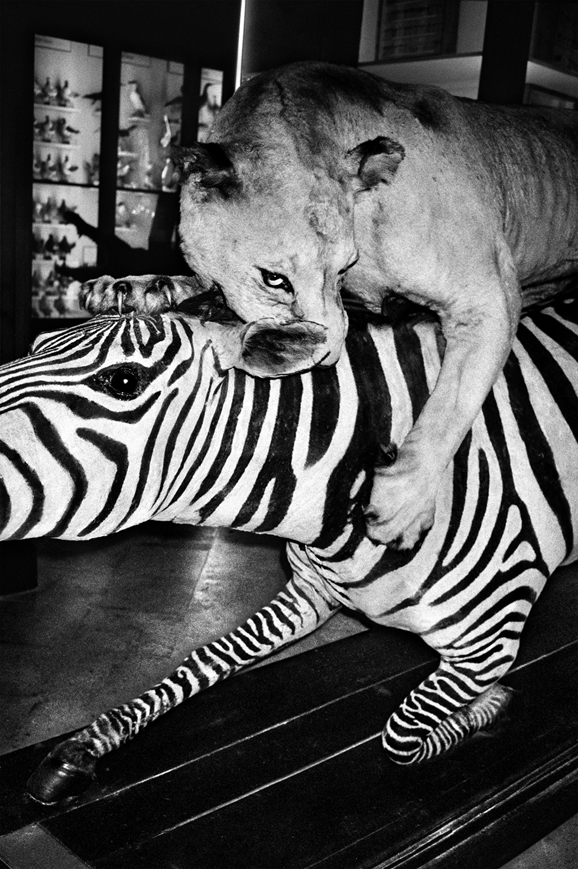
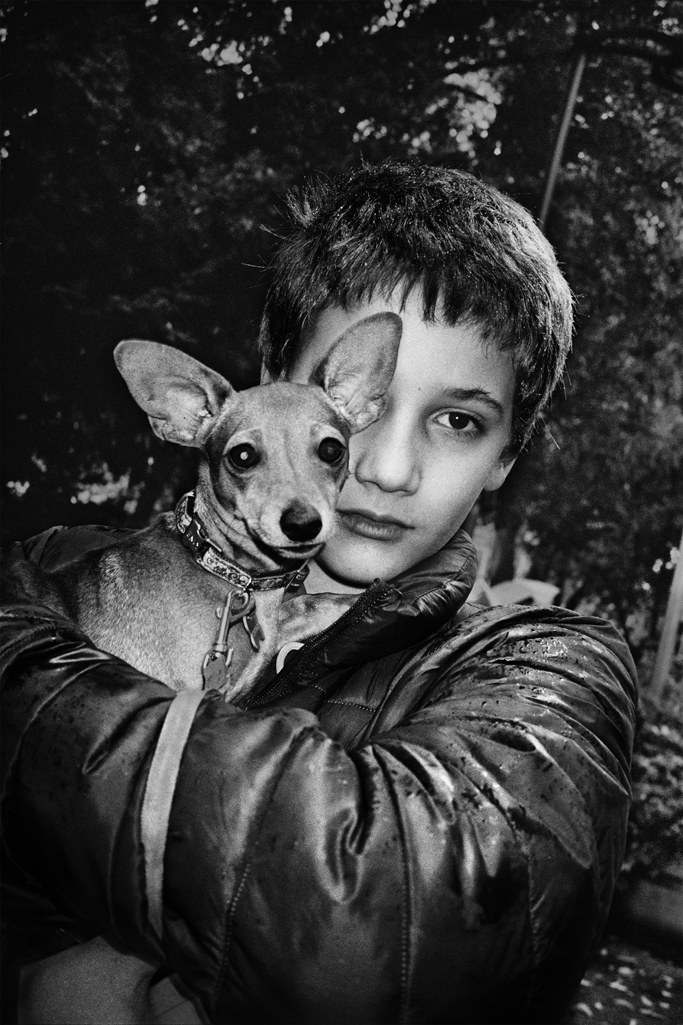
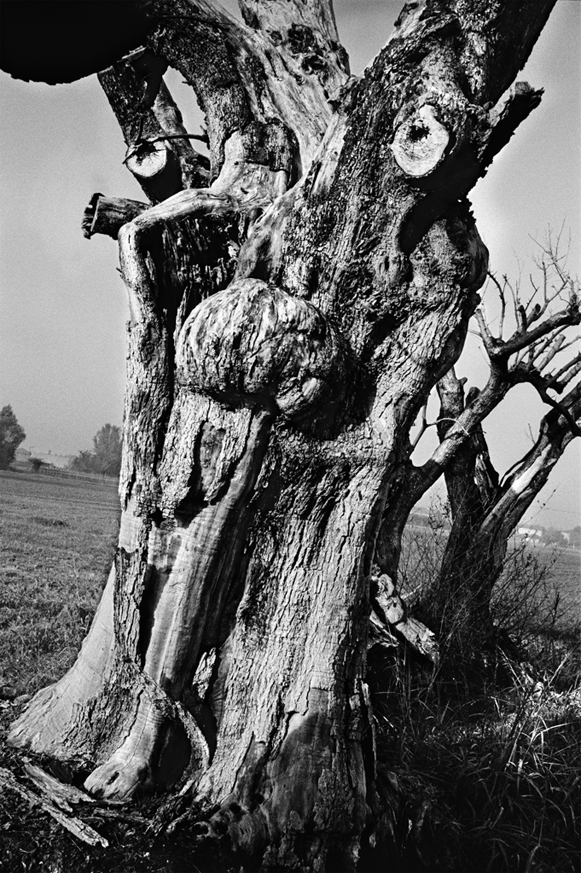
Il lavoro del fotografo svedese, si caratterizzata per l’uso di un bianco e nero contrastato e drammatico. Fotografa prevalentemente con una Contax T3, un obiettivo 35 mm e pellicole con sensibilità ISO 400: il suo corpo di lavoro, spesso duro, ma sempre poetico, ci costringe a riflettere su situazioni e persone ai margini, focalizzandosi sulla tenerezza, la bellezza e l’umanità comune che le contraddistingue.
“I like to look. I want to have the innocent eyes of a child and look at the world for the first time. I noticed I have a growing desire to be dog-like and primitive. Someone photographing his experiences and memories on the fringes of identity, before they become more complex. Understand that you find more creative vitamins in dirt on earth than mingling with angels in the sky. Usually I don’t take pictures looking for reality. Reality is overrated and means so many lovely and contradictory things. But obviously, I like this confusion. It’s a kind of platform allowing you to feel good inside, and I found out it helps a little to be shy and small.
Photography is never about photography, but sometimes it lightly touches your reality. I believe in what I feel and if you illuminate it through yourself it can sometimes be a way to capture life as close as a self-portrait.
Never without risk, absolutely stimulating. For me there are encounters that matter, pictures matter less. You simply have to find your own act of balance, not being sentimental and not disappearing from these encounters and love affairs.
You need one foot inside the situation, but the other one outside. So I keep trying to ask the same questions without ceremony knowing there is more hidden than visible. Always surprised by the unpredictable.”
Anders Petersen